How Do You Plan Finances If You Live Paycheck to Paycheck?
Over time, you can regain control of your finances by prioritizing vitals, tracking every expense, setting small achievable savings goals, negotiating recurring bills, and using a zero-based budget that aligns with your income; these steps help you reduce financial stress, build an emergency buffer, and create incremental progress toward long-term stability.
Understanding Paycheck to Paycheck Living
A significant portion of your income goes to immediate obligations, leaving little or nothing for savings; understanding this cycle lets you spot leakages, set priorities, and take targeted steps to stabilize your cash flow.
Defining the Terms
Along the spectrum of financial health, living paycheck to paycheck means your pay barely covers crucials, leaving you exposed to disruptions and unable to fund goals until you adjust spending, boost income, or both.
Causes of Living Paycheck to Paycheck
Paycheck strain can come from stagnant wages, rising housing and healthcare costs, high debt payments, or lifestyle inflation that outpaces your earnings, forcing you to choose which bills get paid each month.
Even modest actions you take-tracking expenses, trimming recurring charges, building a small emergency buffer, or seeking higher pay-compound to give you breathing room and reduce the risk that a single setback derails your finances.
Assessing Your Current Financial Situation
The first step is a clear, honest inventory of your money flows: list all income sources, account balances, debts, recurring bills and irregular expenses so you know exactly where you stand. You should set a single snapshot of monthly cash flow and net position to guide budgeting, emergency planning, and debt reduction choices.
Tracking Income and Expenses
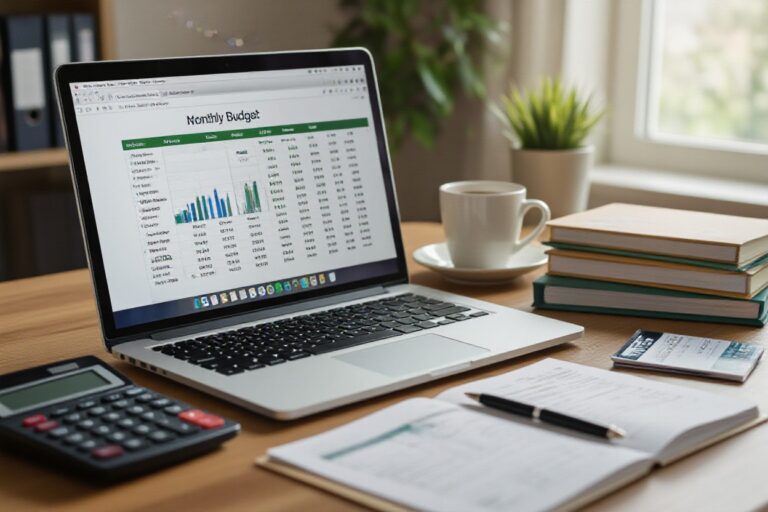
Between paychecks you must track every income and outflow: log wages, side gigs, benefits, bank withdrawals, bills and small purchases for at least one month. You should use apps or a simple spreadsheet to categorize transactions, calculate net cash flow, and spot areas where you can cut or reallocate funds.
Identifying Fixed and Variable Costs
With a labeled list, separate fixed costs (rent, loan payments, subscriptions) from variable ones (groceries, dining, entertainment) so you can target flexible spending for reductions. You should prioritize covering fixed obligations and decide which variable expenses you can adjust when income fluctuates.
Another useful step is to compute average monthly spending for each variable category over three months to smooth out anomalies; this gives a realistic target for cuts and reallocations. You should set modest reduction goals and track progress weekly to build momentum and confidence.
Creating a Realistic Budget
It forces you to map every dollar to importants, debt, and goals so you can prioritize on a tight income; by tracking actual spending and setting small, achievable limits you regain control, reduce surprise shortfalls, and build a plan that fits your life rather than an idealized scenario.
The Importance of Budgeting
After you document income and expenses, a budget reveals patterns that let you cut nonimportants, protect housing and food costs, and carve out tiny savings for emergencies; it turns vague worry into actionable decisions so you can avoid last-minute borrowing and steady your finances.
Tools and Techniques for Budgeting
Realistic methods like zero-based budgeting, the 50/30/20 split adapted to your needs, envelope systems, and simple spreadsheets or apps help you assign purpose to every dollar; choose the approach that matches your discipline and automate bill payments and transfers to reduce slip-ups.
Further, you should test low-cost tools-free apps, bank rules, paper trackers-and combine automation with weekly check-ins so adjustments become habits; prioritize clarity over complexity, and shift methods as your income or goals change to keep the budget practical and sustainable.
Prioritizing Expenses
After you map income and bills, rank expenses by importance and timing; allocate your paycheck first to crucials like housing, utilities, groceries, and minimum debt payments, then fund a small emergency buffer, and treat discretionary items only if funds remain to keep your budget stable.
Needs vs. Wants
After you list spending, classify each item as a need that keeps you housed, fed, and employed, or a want that improves comfort or leisure; cut or delay wants first, redirect those savings to necessities and debt reduction, and review monthly as your income changes.
Handling Irregular Expenses
Above all, create sinking funds for predictable irregular costs like car repairs, medical visits, and annual fees; estimate yearly totals, divide them into monthly contributions, and automate transfers so you avoid debt when those bills arrive.
Needs assessments help you estimate irregular costs by reviewing the past 12 months, identifying seasonal spikes, and prioritizing funds for high-impact events; automate monthly transfers to sinking funds and adjust contributions when your income shifts so you don’t have to rely on credit.
Building an Emergency Fund
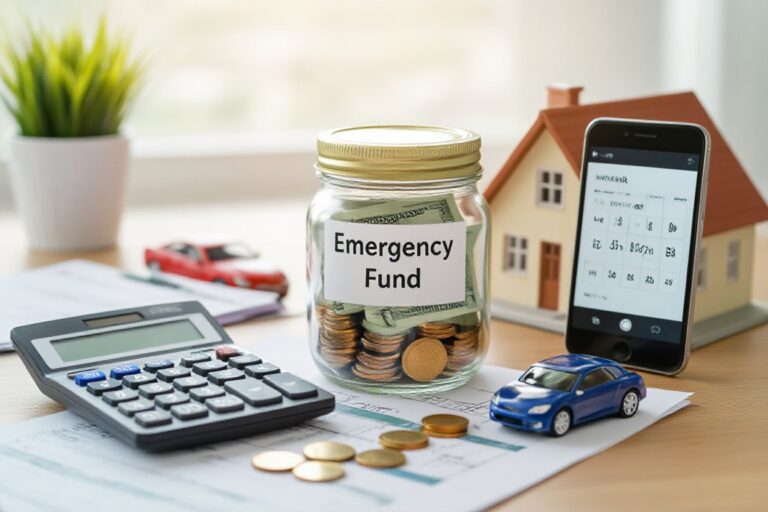
Unlike relying on credit or hoping for a sudden income boost, you can build stability by saving a small portion of each paycheck; consistent contributions, however modest, let you handle unexpected expenses without derailing your monthly budget and give you control when financial shocks occur.
Why an Emergency Fund is Essential
For sudden costs like medical bills or car repairs, having ready cash protects your credit and prevents you from using high‑interest options; you also shield your monthly budget, preserve progress on goals, and reduce the pressure that forces risky financial choices.
Tips for Building a Fund on a Tight Budget
For reliable progress, treat savings like a nonnegotiable bill: automate small transfers, cut one discretionary expense, and direct windfalls straight to your fund. Perceiving each deposit as forward movement will help you keep consistency.
- Automate $5-$25 transfers each payday
- Pause or cancel one unused subscription
- Sell items you no longer use and add proceeds
- Round up purchases and save the change
Emergency savings can start small-aim for a modest starter buffer and increase it as your income stabilizes; keep the money accessible in a separate account so you don’t tap it for routine spending. Perceiving incremental milestones will reinforce the habit and keep you focused on growth.
- Set a realistic starter target (for example, $500-$1,000)
- Use a separate, easy‑access savings account
- Increase contributions as debts decline or income rises
Exploring Additional Income Opportunities
Your financial resilience improves when you pursue extra income strategically: set specific short-term goals, allocate extra earnings to an emergency fund or high-interest debt, and choose options that match your skills and available time so you can sustain them long-term.
Side Gigs and Freelancing
Beside offering flexible hours, side gigs and freelance work let you monetize existing skills; choose platforms that match your niche, set clear hourly or project rates, manage client expectations, and protect time for your primary job to avoid burnout.
Selling Unused Items
At home you can find items that convert into quick cash: declutter electronics, gently used clothing, and household goods; photograph and describe items honestly, price competitively, and use local pickup to reduce fees and speed sales.
Another approach is to bundle items, run timed promotions, and cross-post to multiple marketplaces to increase visibility; track what sells fastest so you focus future decluttering, and dedicate proceeds to a dedicated buffer to reduce future paycheck dependence.
Final Words
Upon reflecting, you prioritize a simple budget that allocates needs first, cuts nonnecessarys, and directs small automated transfers to a starter emergency fund. You track every expense, tackle high-interest debt, negotiate bills, and seek ways to boost income. Over time those disciplined, incremental changes build a buffer and financial resilience that shifts you off the paycheck-to-paycheck treadmill.