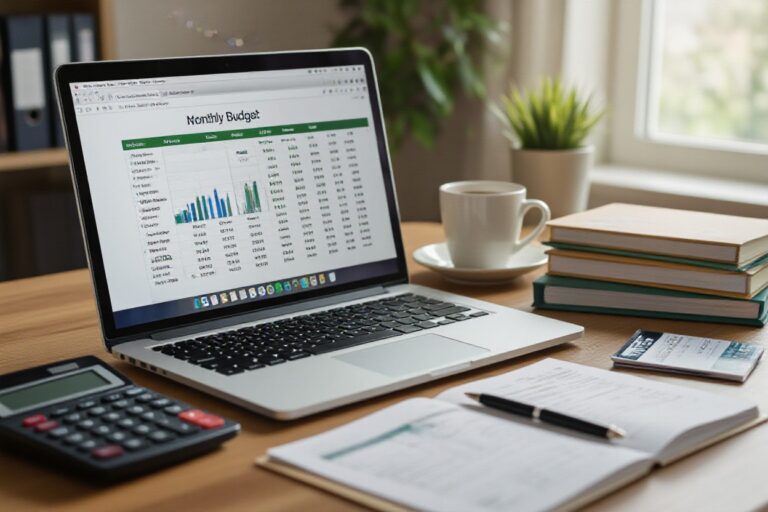
How Do You Build a Financial Plan With a Low Income?
Many people with limited income can create a resilient financial plan by tracking every dollar, prioritizing vital expenses, building a small emergency fund, and attacking high-interest debt; you set clear short-term and long-term goals, automate savings where possible, seek ways to boost income, and review your plan regularly to adapt as your situation improves.
Assessing Your Current Financial Situation
Your financial assessment begins with a clear snapshot: list your income, debts, assets, and regular bills, then compare what comes in versus what goes out. Track recent bank statements, pay stubs, and bills for one to three months to spot patterns and opportunities to prioritize imperatives and set realistic short-term goals.
Evaluating Income Sources
Among income sources, catalog wages, benefits, freelance work, side gigs, and irregular payments; note frequency and reliability of each stream. Estimate monthly averages, include in-kind support, and identify how you can boost income through overtime, tax credits, or local aid when projecting what you can sustainably allocate to savings and debt.
Identifying Expenses
On identifying expenses, separate fixed bills from variable spending: rent, utilities, loan payments versus groceries, transport, and discretionary items. Track small recurring charges that erode cash flow, categorize by necessity, and set realistic caps so you can prioritize imperatives while finding minor cuts that compound.
Even small variable costs matter: subscriptions, fees, impulse buys and occasional social expenses add up and can undermine your plan. Use a simple budget app or a written ledger to tag expenses, set limits for each category, and review monthly to adjust allocations and free funds for savings or debt repayment.
Setting Financial Goals
Clearly, you should define measurable, time-bound goals that match your income level, prioritizing an emergency fund, manageable debt repayment, and predictable monthly savings; break big objectives into small, trackable steps so you can adjust plans as your earnings change and stay accountable to your progress.
Short-Term Goals
After assessing your monthly cash flow, set short-term goals like building a modest emergency buffer, eliminating high-interest small debts, or automating a fixed savings amount each paycheck; pick one priority, schedule specific contributions, and review progress regularly to build momentum.
Long-Term Goals
Setting long-term goals means mapping retirement, homeownership, or education savings against realistic timelines and modest contribution rates; use simple growth estimates, plan for gradual increases as your income rises, and maintain consistency so compounding works in your favor.
Hence you should prioritize high-interest debt reduction, direct surplus toward tax-advantaged accounts, diversify with low-cost investments when possible, and revisit projections annually to adjust for inflation, career changes, or evolving family needs so your long-term plan remains viable.
Creating a Budget
While creating a budget on a low income, you prioritize imperatives, map fixed and variable expenses, and set attainable savings targets; you allocate every dollar to a purpose so you avoid shortfalls and identify where to trim or reallocate funds to meet goals without sacrificing stability.
Choosing a Budgeting Method
Budgeting requires you to pick a system that fits your habits-zero-based, 50/30/20, or envelope-so you can control spending; test one month, track results, and switch if it hinders progress until you settle on a plan that sustains your priorities and cash flow.
Tracking and Adjusting Your Budget
Any budget must be monitored: you log expenses, review bank statements weekly, and compare outcomes against goals so you can spot overspending and revise allocations quickly, keeping your plan aligned with income changes or unexpected costs.
Budget tracking benefits from simple tools you use consistently-apps, spreadsheets, or a notebook-so you can categorize expenses, set alerts for limits, and run monthly reviews to adjust savings rates, payment plans, or discretionary spending when income shifts.
Prioritizing Debt Management
For a low income, prioritize high-interest balances first, maintain minimum payments on all accounts, and allocate any extra funds to debts that drain your cash flow; this disciplined approach reduces interest paid and frees future income for saving.
Understanding Different Types of Debt
Before you decide priorities, compare debt types:
| Secured loan | Lower rate, asset risk |
| Unsecured loan | Higher rate, no collateral |
| Credit card | Very high rate, revolving |
| Student loan | Lower rate, income-based options |
| Payday/high-cost | Extremely high rate, short term |
- Focus on interest rate.
- Consider penalties and options.
Knowing how each affects your payments helps you prioritize.
Strategies for Paying Off Debt
Management of repayments means you prioritize by rate or balance, automate minimums, funnel windfalls to a target debt, and negotiate lower rates or hardship plans so your monthly burden shrinks and progress is visible.
Due to limited income, build a small emergency buffer first, then use avalanche or snowball methods depending on motivation and math, review progress monthly, adjust payments when income changes, and use community resources to reduce costs.
Building an Emergency Fund
All you need is a clear plan: start by covering one month’s importants, then work toward three months, making small regular deposits so you can handle job loss, medical bills, or urgent repairs without relying on high-interest debt.
Importance of an Emergency Fund
At low income levels, an emergency fund shields your progress: by covering unexpected costs you protect your credit, avoid payday or credit card loans, and keep steady momentum toward long-term goals like debt reduction and savings growth.
How to Start Saving
With limited cash, you should prioritize automation and low-friction tactics: set weekly transfers, save windfalls, cut one small recurring expense, and funnel the savings into a separate, accessible account to build momentum.
Indeed you can accelerate progress by setting a micro-target, using a no-fee or high-yield account, enabling round-ups or paycheck splits, and reviewing expenses monthly so you increase contributions as income or spending changes.
Exploring Additional Income Opportunities
Keep exploring practical ways to boost your cash flow by targeting part-time roles, gig platforms, and passive income ideas that fit your schedule and skills so you can increase savings, reduce debt, and strengthen your financial resilience.
Side Hustles and Freelance Work
One effective option is to pursue side hustles or freelance work that use your skills, allowing you to set rates, control your schedule, and scale income while building experience and expanding your professional network.
Utilizing Skills and Hobbies
Around your hobbies and talents are marketable opportunities-teaching, crafting, consulting, or offering niche services you enjoy can generate extra income when promoted locally or online.
Utilizing a simple skills audit, identify what you do well, package clear offerings, set fair prices, create concise profiles on relevant platforms, and commit to regular promotion so you can convert occasional gigs into a reliable supplemental income stream while managing your main responsibilities.
To wrap up
Drawing together the steps, you can build a resilient financial plan on a low income by tracking every dollar, prioritizing needs over wants, creating a small emergency cushion, tackling high-interest debt, automating micro-savings, and pursuing incremental income boosts or benefits; set realistic short- and long-term goals, monitor progress regularly, and adjust as your circumstances change.