What Is the Difference Between Financial Planning and Budgeting?
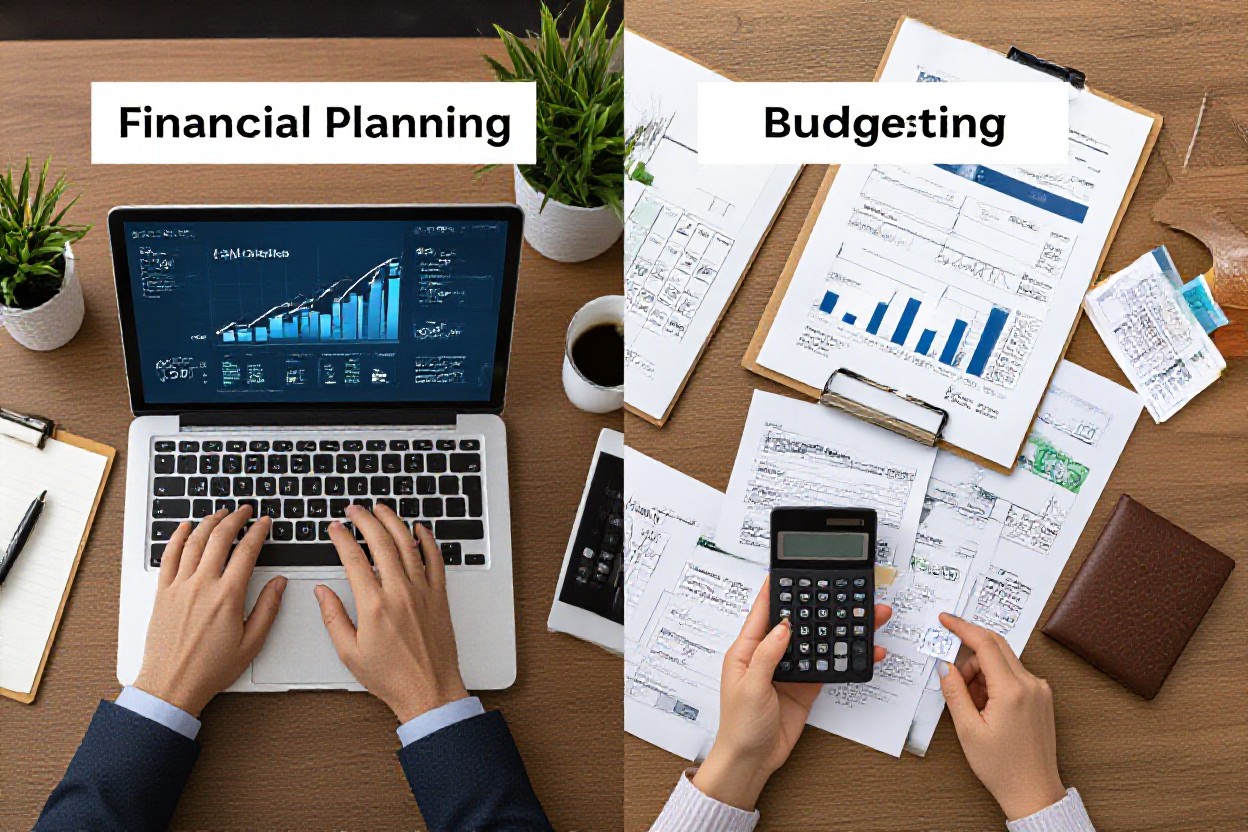
It’s the distinction between strategy and implementation: financial planning sets your long-term goals, maps investment, insurance, tax and retirement strategies, and creates a roadmap to grow and protect wealth, while budgeting is the practical, short-term process you use to allocate income, control spending, and track cash flow to meet those plan objectives month to month.
Understanding Financial Planning
The process of financial planning helps you translate life goals into measurable financial objectives, prioritize spending and saving, manage risks, and create a roadmap for investments, taxes, retirement, and estate matters so your decisions stay aligned with long-term priorities.
Definition of Financial Planning
One definition frames financial planning as a disciplined process that enables you to assess current assets, forecast future needs, set realistic goals, and design strategies to grow wealth, protect income, and secure financial independence over time.
Key Components of Financial Planning
Beside the definition, the core components you should address include goal setting, cash-flow and budgeting, risk management and insurance, investment strategy, tax planning, retirement funding, and estate planning-each area contributes to a cohesive plan.
In addition, you should prioritize components based on timelines and risk tolerance, track progress with regular reviews, adjust strategies for life changes, and use scenario analysis to make informed trade-offs between liquidity, growth, and protection.
Understanding Budgeting
There’s a practical focus to budgeting: you allocate income to cover imperatives, pay down debt, fund savings and control discretionary spending so your short-term cash flow supports immediate priorities.
Definition of Budgeting
One effective definition is that budgeting is the method you use to plan and track how income is assigned to expenses and goals, creating measurable limits that guide daily financial choices.
Key Components of Budgeting
To create a functioning budget you list your income, separate fixed from variable expenses, set saving and emergency fund targets, and assign spending limits to categories you will monitor.
Budgeting also depends on regular review and adjustment so you update forecasts, reallocate funds when priorities shift, and use tracking tools to ensure you meet targets and reduce financial surprises.
Key Differences Between Financial Planning and Budgeting
While financial planning defines your long-term goals, risk tolerance, investment and insurance strategies, budgeting allocates your income and expenses to meet short-term needs; planning sets direction, budgeting enforces discipline so you can fund priorities and adapt to life changes.
Focus and Scope
Focus on how planning maps your aspirations-retirement, education, legacy-and ties together investments, taxes and insurance, while budgeting narrows to cash flow, spending categories and savings targets so you control daily decisions and fund the priorities set by your plan.
Time Horizon
Time horizons differ: budgeting operates monthly or annually to manage cash flow and short-term goals, while financial planning spans years or decades to align investments, retirement and major life events; you use budgets to execute and monitor the plan.
It helps you translate long-term plans into actionable budgets by setting milestones, breaking goals into monthly savings targets, maintaining an emergency fund, reviewing progress regularly, and adjusting contributions as your income or priorities change so you preserve liquidity while steadily advancing toward long-term objectives.
How Financial Planning and Budgeting Work Together
For you, financial planning sets long-term direction by mapping goals, risk tolerance, and strategies, while budgeting allocates your monthly income to execute that plan; together they ensure your daily spending aligns with milestones, adapt to life changes, and measure progress against targets.
Integration of Strategies
Against the backdrop of your financial plan, budgeting translates strategic priorities into specific allocations, tracking expenses, building emergency reserves, and reallocating funds to accelerate priorities when outcomes deviate.
Long-term vs. Short-term Goals
Work on aligning your budget with both timelines: short-term budgets cover cash flow, debt repayment, and immediate savings, while long-term planning guides investments, retirement funding, and legacy objectives, so you balance immediate needs with future ambitions.
Longterm planning defines the savings rate, asset allocation, and risk management your budgets must support; you set milestone checkpoints, schedule annual reviews, and maintain buffers so market swings or life events don’t derail progress toward retirement, education, or homeownership.
Common Misconceptions
Unlike many assumptions, financial planning and budgeting serve different roles: budgeting manages your short-term cash flow and spending limits, while financial planning sets long-term goals, risk management, and investment strategy; you need both, as planning guides budgets and budgets operationalize plans.
Confusion Between Terms
Below the surface of casual usage, budgeting is a tactical tool for tracking income and expenses, whereas financial planning builds a roadmap for your goals, taxes, insurance, and retirement; treating them as synonyms leaves you with gaps in strategy and execution.
Misunderstanding Importance
To focus only on budgets is a common error because your budget organizes daily choices but cannot anticipate life changes, optimize investments, or set long-term priorities that a comprehensive financial plan provides.
Plus, when you emphasize planning without disciplined budgeting you risk lacking the controls to reach targets-integrating strategic planning with regular budgeting helps you measure progress, reallocate resources, and adapt as circumstances evolve.
Best Practices for Effective Financial Management
Your financial management works best when you align planning with budgeting, set measurable goals, track spending, maintain an emergency buffer, automate savings and payments, and communicate priorities across your household or business. You should use clear metrics and tools so decisions stay disciplined and forward-looking.
Setting Clear Objectives
Objectives should be specific, measurable, achievable, relevant, and timebound so you can translate goals into budgets and actions. You tie each spending category to a purpose, assign timelines, and set milestones so you can evaluate progress and adjust allocations when priorities shift.
Regular Review and Adjustments
For effective management, schedule regular reviews-monthly for cash flow, quarterly for strategic goals-and compare actuals to forecasts. You update assumptions, reallocate funds where performance lags, and document decisions so your plan and budget remain responsive to changing income or expenses.
Financial reviews use variance analysis, key performance indicators, and scenario planning so you can quantify impacts and act quickly. You should involve stakeholders, use dashboards or accounting tools for real-time data, and keep contingency plans ready to protect priorities when markets or personal circumstances change.
To wrap up
Conclusively, you can think of budgeting as the short-term tool that tracks and allocates your cash to meet immediate needs, while financial planning is the broader roadmap that sets goals, manages risk, invests for growth and adjusts strategy over time; budgeting implements the plan and enforces discipline, and planning ensures your budget serves long-term objectives and changing life stages.