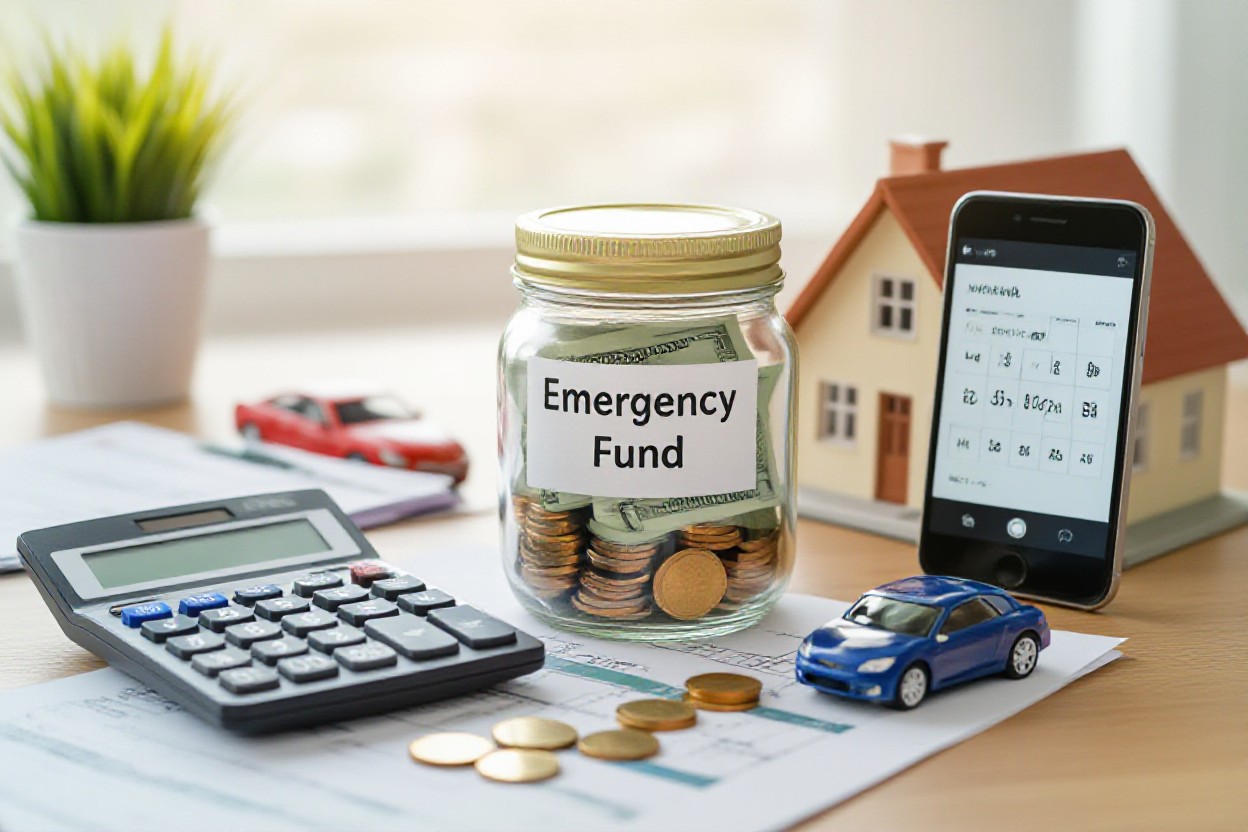
How Much Emergency Savings Should Be Part of a Financial Plan?
There’s no single answer, but a practical emergency fund often equals three to six months of your crucial expenses; your income stability, job risk, dependents, and access to credit determine whether you need more. Set a target, prioritize liquid savings, and adjust your goal as your career, debts, or family situation change to keep your finances resilient.
Understanding Emergency Savings
A well-funded emergency savings fund gives you a financial buffer against unexpected expenses, letting you cover job loss, medical bills, or urgent repairs without relying on credit.
Definition of Emergency Savings
Definition emergency savings are the liquid funds you set aside to cover unplanned expenses like job loss, urgent repairs, or medical costs, kept separate from investments or retirement accounts.
Importance of Emergency Savings
An emergency fund protects you from high-interest debt, reduces stress during financial shocks, and lets you make decisions without panic, supporting your long-term financial goals.
At minimum, aim for three to six months of necessary expenses in easily accessible accounts; if your income is variable or you support dependents, target six to twelve months and adjust as your job security, expenses, and goals change.
How Much to Save
The emergency savings you need depends on your vital monthly expenses, job stability and family obligations; aim for three to six months of expenses as a baseline and increase that if you have irregular income, significant debt, or limited access to credit.
General Guidelines
Before you set a number, tally your vital monthly costs and use three to six months as a starting range; if you are self-employed, support others, or face unstable employment, raise that target toward six to twelve months.
Factors Influencing Savings Needs
Save relative to the risks and supports surrounding you:
- Your vital monthly expenses
- Your job stability and income predictability
- Dependents, health needs and planned expenses
- Your debt load and insurance coverage
- Access to credit or emergency support
Perceiving greater risk or fewer backup options, you should increase your target.
The specific scenarios you anticipate determine whether to add months to your buffer:
- Pending career changes or seasonal income
- Upcoming medical, family or housing costs
- High fixed expenses or rising local cost of living
- Limited credit access or single-income households
Perceiving increased volatility or obligations, you should save more aggressively.
Types of Emergencies to Prepare For
One area to consider is the types of emergencies you should prepare for:
- Job loss
- Medical emergency
- Major home repair
- Car failure
- Family crisis
| Job loss | 3-6 months’ income |
| Medical emergency | varies-thousands |
| Home repair | $1k-$10k |
| Car repair | $500-$5k |
| Family emergency | travel and support costs |
Recognizing you can map your savings to likely costs helps you set an appropriate emergency fund.
Common Unexpected Expenses
An emergency fund should cover unexpected costs like insurance deductibles, urgent home or car repairs, short-term childcare, medical out-of-pocket bills, and last-minute travel so you can handle them without relying on credit.
Variance in Emergency Situations
By evaluating your job stability, health coverage, number of dependents, and monthly fixed expenses, you can determine whether you need a smaller buffer or a larger reserve tailored to your personal risk.
But if you have irregular income, limited insurance, or dependents, you should aim higher-often 6-12 months of important expenses; if you have steady income and robust benefits, 3 months may suffice, and you should adjust after any major life change.
Where to Keep Emergency Savings
Unlike investing for growth, your emergency fund should prioritize liquidity and capital preservation; you want easy access without market risk, FDIC or NCUA protection, and minimal fees so you can pay bills or cover sudden expenses immediately while keeping your core investment strategy intact.
Accessible Accounts
For immediate needs keep funds in a high-yield savings account, a money market account, or a checking account with no withdrawal limits; these offer instant access, FDIC/NCUA insurance, and low volatility so you can withdraw without disrupting your budget or incurring losses.
Potential Growth Options
After you secure a liquid core, consider short-term CDs, Treasury bills, or a conservative short-term bond ladder to earn modest returns; balance yield with access and be mindful of penalties or interest rate risk so your emergency cushion remains reliable.
Accessible laddering of CDs and T-bills staggers maturities so you periodically free higher-yielding cash without sacrificing availability; you can also use short-duration bond funds for liquidity, but expect price volatility and tax considerations that you should weigh against the fund’s yield.
Assessing Your Financial Situation
After you map your monthly income, fixed expenses, debt obligations, dependents and insurance coverage, assess how many months of living costs you would need if income stopped; factor in job stability, variable expenses and existing liquid assets to set a practical emergency-fund target that balances security with other financial priorities.
Evaluating Current Savings
With a current-savings audit, compare readily accessible balances to your important monthly outflows, confirm account access and penalties, and note funds committed to other goals; also weigh employer benefits, available credit and any high-interest debt to decide whether to grow liquid reserves or pay down obligations first.
Adjusting Savings Goals
To tailor your emergency target, scale the number of months you hold based on employment risk, household size, health needs and income volatility; raise the goal if you’re self-employed, have irregular pay, or lack strong benefits, and lower it only when reliable alternatives to cash exist.
A tiered plan works well: build a small starter fund, then cover one to three months of importants, and ultimately aim for three to twelve months depending on your risk profile; automate contributions, review targets after life changes, and prioritize liquidity so you can access funds quickly when needed.
Maintaining Your Emergency Fund
Many of your saving decisions should prioritize easy access and stability, so you should hold emergency funds in low-risk, liquid accounts like high-yield savings or short-term money market funds; set clear withdrawal rules, avoid mixing funds with long-term investments, and plan how you’ll rebuild the fund quickly after any use.
Regular Contributions
Beside an initial target, you should create automatic transfers to the emergency fund, treat contributions as a fixed expense, increase amounts when your income grows, and pause only for genuine emergencies so the balance steadily approaches your target without relying on willpower alone.
Reviewing and Updating Your Plan
Any review should occur at least annually and after major life changes so you can confirm the target amount, access strategy, and funding schedule still match your needs and adjust as necessary to maintain adequate coverage.
At each review, you should compare expenses, employment stability, insurance coverage, and upcoming obligations to your current target; if you change jobs, add dependents, move, or take on variable income, increase the fund size or liquidity, update automatic contributions, and document a clear replenishment timeline to act swiftly when the fund is used.
Summing up
Hence you should aim to hold three to six months of imperative living expenses as a baseline emergency fund, increasing to six to twelve months if you’re self-employed, have variable income, or major financial responsibilities; calibrate the exact amount to your job security, fixed expenses, debt load, and risk tolerance, and prioritize liquidity and gradual contributions so your fund can cover unexpected shocks without derailing long-term investments.

