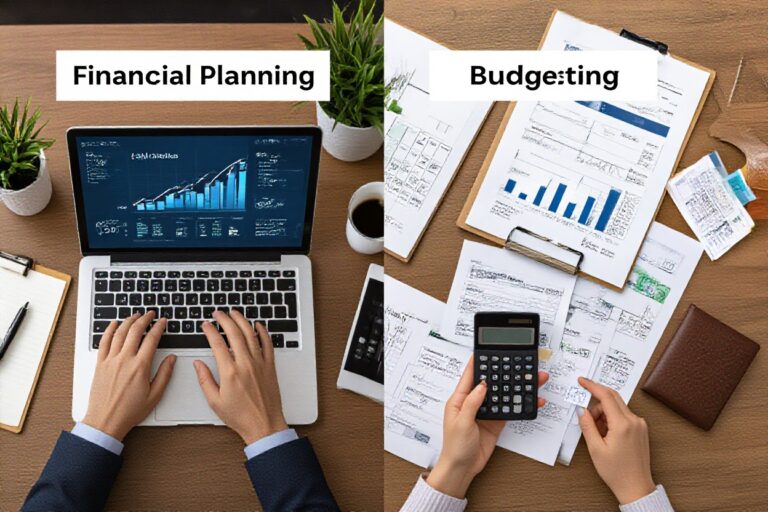
How Do You Plan Finances When You Have Debt?
You can take control of your finances even while carrying debt by listing every obligation, comparing interest rates, and prioritizing repayments toward costliest balances. Create a realistic budget allocating crucials, required payments, and a surplus for accelerated reduction; explore consolidation or refinancing to lower interest, and build a small emergency fund to avoid new borrowing. Monitor progress monthly and adjust plans as your income or goals change.
Understanding Your Debt
While you plan finances, list each debt’s balance, interest rate, minimum payment, and term so you can prioritize repayments, reduce interest drag, and free cash for emergency savings and future goals.
Types of Debt
Debt comes in varied forms with different costs and protections, so you should identify each account type to decide whether to prioritize by rate, balance, or strategic factors. Any strategy you adopt should weigh interest rate, term, collateral, and how payments affect your monthly cash flow.
| Mortgage | Low rate, long term, secured by property |
| Auto loan | Moderate rate, secured by vehicle, fixed term |
| Student loan | Variable or fixed rates, often flexible repayment |
| Credit card | High interest, revolving balance, unsecured |
| Personal loan | Fixed term, unsecured, predictable payments |
- Distinguish secured vs unsecured debts.
- Note interest rates and compounding frequency.
- Check minimum payments and due dates.
- Consider tax treatment and possible forgiveness options.
Assessing Your Financial Situation
About your overall picture, you should create a snapshot listing monthly income, fixed and variable expenses, debt payments, and emergency savings so you can see available surplus for repayment or reallocating to goals.
Debt metrics like your debt-to-income ratio and total monthly obligations help you prioritize; calculate your surplus by subtracting expenses and payments from income, then decide whether to accelerate high-rate balances or shore up a short emergency buffer.
Creating a Budget
Some disciplined budgeting lets you balance crucials, savings, and accelerated debt repayment; list fixed and variable expenses, set clear spending limits, assign every dollar a purpose, and build in small flexibility so you can stay consistent without derailing progress.
Tracking Income and Expenses
Beside recording totals, you should track paycheck timing, irregular income, and daily purchases to spot leaks and seasonal variations; using apps or a simple spreadsheet helps you see where to cut and free funds for higher-priority debt payments.
Allocating Funds for Debt Payments
Budget your payments by covering all minimums first, then direct extra cash to either the highest-interest debt (avalanche) or the smallest balance (snowball) depending on what keeps you focused and reduces total interest.
In addition, automate payments to avoid missed due dates, build a small emergency buffer to prevent new borrowing, and evaluate consolidation or renegotiation if it lowers your total interest and speeds up payoff.
Prioritizing Debt Repayment
The fastest way to reduce what you owe is to inventory your debts, prioritize high-interest accounts or the smallest balances for extra payments, maintain minimums on others, protect a basic emergency fund, and adjust your plan as income or goals change.
Snowball vs. Avalanche Method
Across both approaches you keep minimum payments on all debts while directing extra funds either to the smallest balance (snowball) or the highest interest rate (avalanche); you choose snowball for momentum and avalanche for maximum interest savings, or blend both to stay motivated.
Strategies for Managing Multiple Debts
Strategies include consolidating balances at lower rates, negotiating terms, automating payments to avoid fees, and using a realistic repayment calendar so you can track progress while preserving a basic emergency cushion to prevent new borrowing.
The most practical next steps you can take are creating a clear debt inventory with rates and due dates, reallocating budgeted expenses to free payment room, applying windfalls to prioritized balances, and seeking professional advice if offers or calculations are unclear.
Incorporating Savings into Debt Management
Despite pressure to apply every dollar to debt, you should maintain a savings plan that protects your progress; prioritize a small emergency fund, focus extra payments on high‑interest accounts, automate contributions, and revisit your allocation regularly so you reduce risk without stalling debt repayment.
Emergency Fund Considerations
Considerations include sizing your buffer to your income stability-aim for one to three months of imperatives if you have steady work, more if not-keeping funds liquid in a separate account, automating deposits, and making the fund large enough to prevent new borrowing after an unexpected expense.
Saving While Paying Off Debt
Between accelerating debt repayment and building savings, adopt a deliberate split that fits your goals-allocate a fixed percentage to savings while you target high‑interest balances, use automated transfers, and adjust the mix as your debt load decreases so you maintain forward momentum.
Due to the protection savings provide, treat a modest recurring contribution as part of your baseline budget; preserve employer retirement matches where available, use sinking funds for short‑term needs, and increase savings contributions as you pay down debt to compound your financial stability.
Seeking Professional Help
Unlike DIY approaches, seeking professional help gives you tailored strategies to manage debt while planning finances; an advisor can assess your income, prioritize debts, negotiate with creditors, and build a realistic budget so you can protect credit and pursue savings goals.
Credit Counseling Services
Before choosing a credit counseling service, verify nonprofit status, fees, and counselor credentials; you can receive a debt management plan, negotiated interest reductions, and budgeting education, but confirm the plan matches your income and long-term financial objectives.
Debt Consolidation Options
Among debt consolidation options, you can use balance-transfer cards, personal loans, or home equity lines; each simplifies payments but varies in interest, fees, and risk to your assets, so compare terms and how consolidation affects your credit and repayment timeline.
This method may lower monthly payments and simplify bills, but you should evaluate total interest over the loan term, upfront fees, and whether collateral is at stake; run scenarios and consult experts so you can choose an option that preserves your cash flow and long-term goals.
Monitoring Progress
Keep tracking your payments, balances, and interest rates regularly so you can spot trends and measure momentum; use spreadsheets or apps to compare planned versus actual spending, update payoff timelines, and prioritize high-interest balances when outcomes fall short of targets.
Adjusting Your Plan
Among the steps you take, reallocate extra income toward debt when unexpected expenses appear, renegotiate terms with creditors if needed, and revise your budget to reflect changes in income or goals so your strategy stays realistic and effective.
Celebrating Milestones
Among small wins, acknowledge each payoff and interest-rate drop by giving yourself modest, budgeted rewards that reinforce disciplined habits without derailing progress, letting you sustain motivation while you pursue larger goals.
Hence, when you mark milestones, document progress visually with charts or a payoff thermometer, share achievements with a trusted friend or advisor for accountability, and use rewards as calibrated incentives that align with your long-term financial priorities so you maintain momentum toward becoming debt-free.
Summing up
Summing up, you should assess all debts and income, create a realistic budget that prioritizes high-interest obligations while maintaining an emergency fund, negotiate lower rates or consolidate where it lowers costs, automate payments to avoid lapses, and allocate extra funds to faster repayment methods like the avalanche or snowball that suit your situation; regularly review and adjust the plan as your income or goals change.