What Is the Difference Between Financial Planning and Budgeting?
It’s the distinction between strategy and implementation: financial planning sets your long-term goals, maps investment, insurance, tax and retirement strategies, and creates…

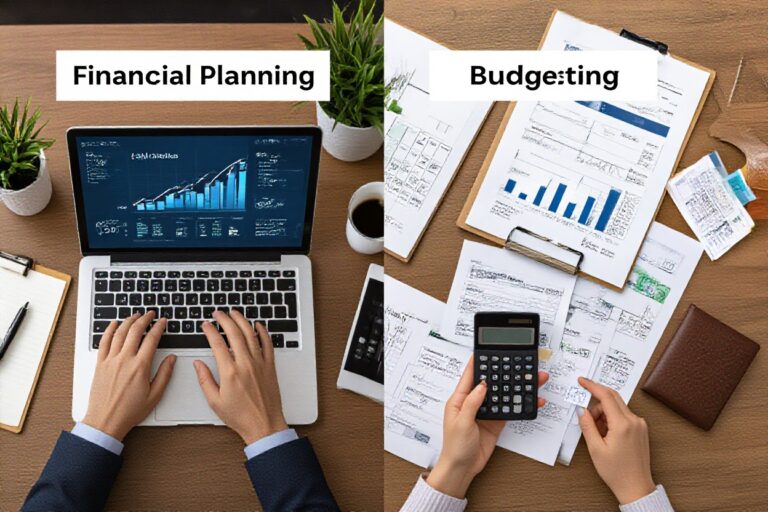
It’s the distinction between strategy and implementation: financial planning sets your long-term goals, maps investment, insurance, tax and retirement strategies, and creates…

With fluctuating income, you should stabilize your finances by tracking cash flow, building a three- to six-month emergency fund (or more given…

Many people with limited income can create a resilient financial plan by tracking every dollar, prioritizing vital expenses, building a small emergency…

There’s a clear process you can follow to manage money: assess income and fixed costs, track spending, build a realistic budget, and…
There’s a practical framework you can use to align daily spending with long-term goals: define your priorities, build a realistic budget, automate…

Over time, you can regain control of your finances by prioritizing vitals, tracking every expense, setting small achievable savings goals, negotiating recurring…
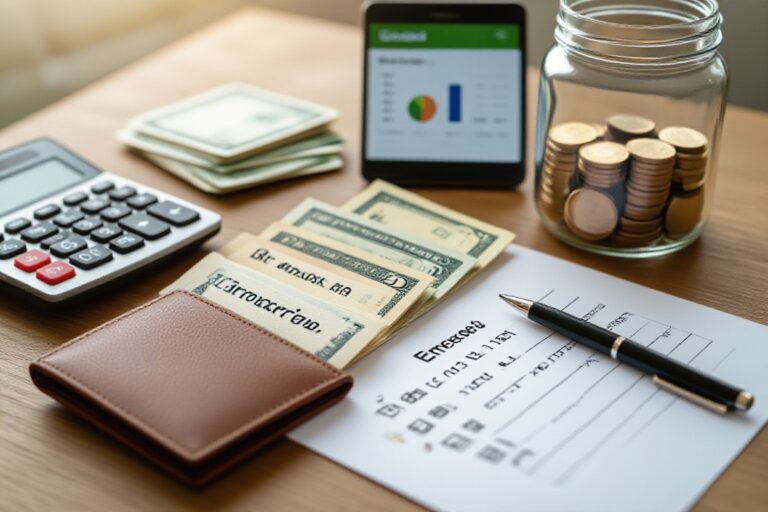
Prioritization begins by sorting your expenses and goals into needs, protections, and growth; you should cover crucials and a modest emergency buffer…
Planning for fluctuating expenses forces you to adopt flexible budgeting: track patterns, prioritize necessarys, create tiered spending plans, build an emergency buffer,…

With a disciplined budget you define priorities, control spending, and align daily choices with long-term goals; it clarifies cash flow, highlights trade-offs,…

Planning a simple financial plan means you map income to crucial expenses, build a three- to six-month emergency fund, prioritize high-interest debt…